The Edgewater Pet Clinic
At the start of 2025, I began working as a veterinary assistant at Edgewater Pet Clinic, a general practice owned by Dr. Rafael Stredel, DVM, a veterinarian who provides many veterinary services and also specializes in veterinary dentistry.
Dental Disease
Given that Dr. Stredel specializes in dentistry and that most dogs/cats over the age of three or four years old will experience dental disease in their lifetime, working as a vet assistant at the Edgewater Pet Clinic has allowed me to help treat and learn deeply about a wide range of dental issues. Let’s briefly begin by discussing the structure of teeth and the most common types of dental disease seen in the clinic.
Tooth Anatomy
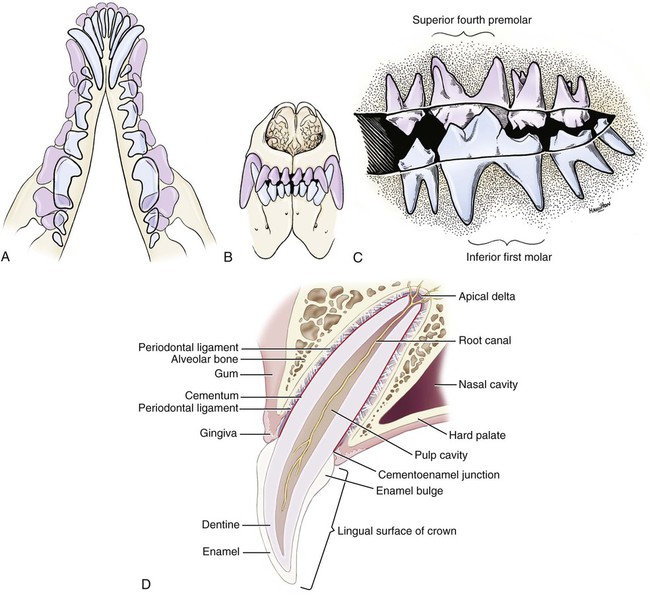
In both dogs and cats, the anatomical composition of the individual tooth is relatively the same. The tooth is made up of three portions: the lingual surface of the crown which is the visible portion above the gumline surrounded by enamel, the neck of the tooth (which includes the cementoenamel junction) or the region of the root between the crown and the attached gingiva, and the root which is the non-visible part embedded into alveolar (jaw) bone.
Enamel is the outer, strongest layer of the crown, which cannot regenerate once damaged. The dentin lies directly below the enamel and is what forms the bulk of the tooth, fully encapsulating the pulp cavity. The cementum is a thin covering of the root which provides anchorage for the periodontal ligament on the root. The pulp is the innermost, tissue contained within the tooth that is comprised of nerves, veins, arteries, and connective tissue. Finally, the apical delta is the apex portion of each tooth that allows for the passage of vessels and nerves in and out of the root canal.
Common Dental Diseases
Periodontal Disease
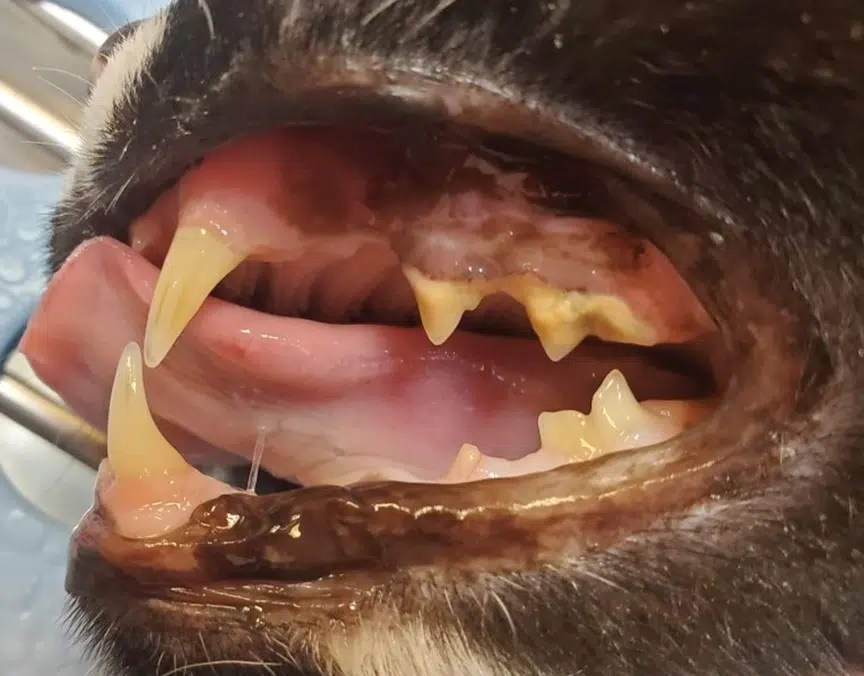
Periodontal disease occurs when the bacteria of the mouth mix with salivary glycoproteins & polysaccharides which leads to the development of tooth surface plaque. This plaque eventually mineralizes to form hardened calculus, or tartar. Ultimately, this buildup can lead to inflammation of gums (gingivitis), the creation of deep gaps between the tooth and gums (periodontal pockets), and damage to the periodontal tissue beneath the gums (periodontitis). If not remedied these issues can lead to tooth loss so it is important to prevent the formation of plaque with thorough cleanings and routine veterinary dental exams under anesthesia.
Endodontic Disease
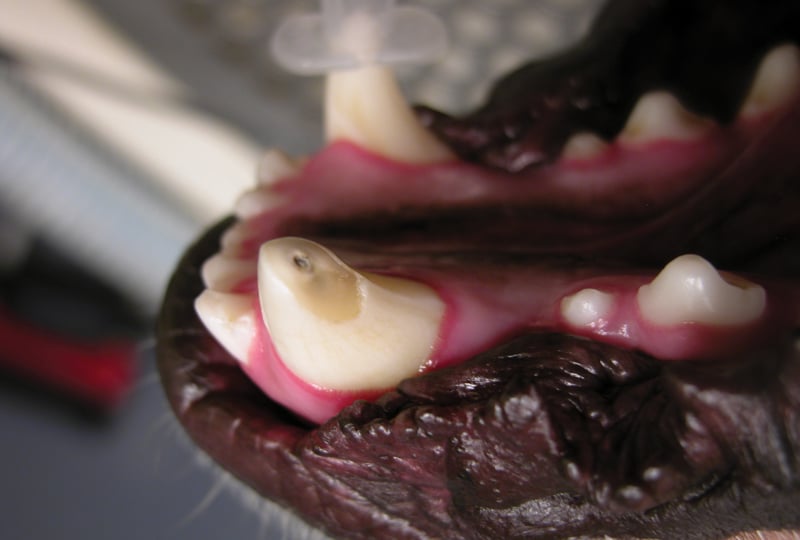
Endodontic disease, or pulpitis, occurs when the dental pulp becomes exposed, infected, or inflamed. Exposure of the pulp typically occurs when the teeth fracture. The pulp is the innermost portion of the tooth that is composed of nerves, blood vessels, and connective tissue. Direct visibility of the pulp is detrimental but even just near exposure of the pulp is enough to induce pulpitis. This issue can clinically present a tooth fracture, discoloration of the tooth, facial swelling, etc. Depending on the progession of the disease it can typically be treated with the use of antibiotics to prevent or limit infection, a root canal treatment, or a tooth extraction.
Tooth Resorption
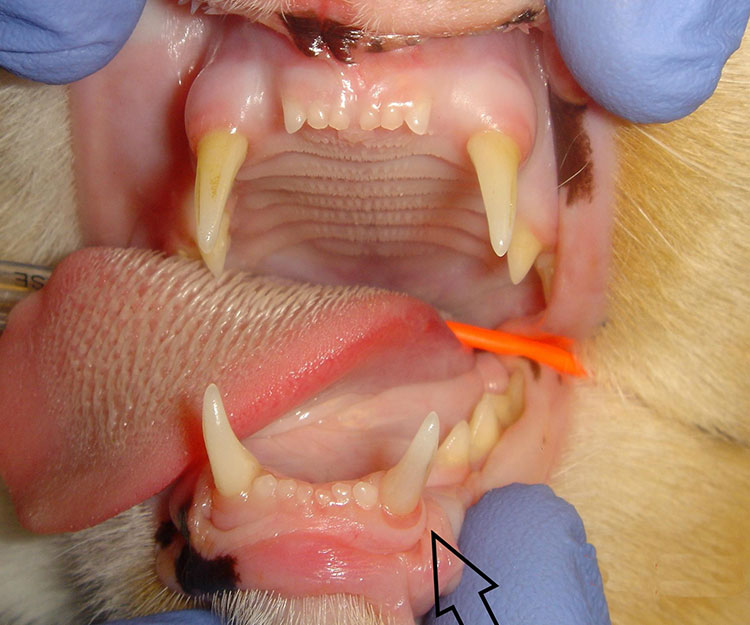
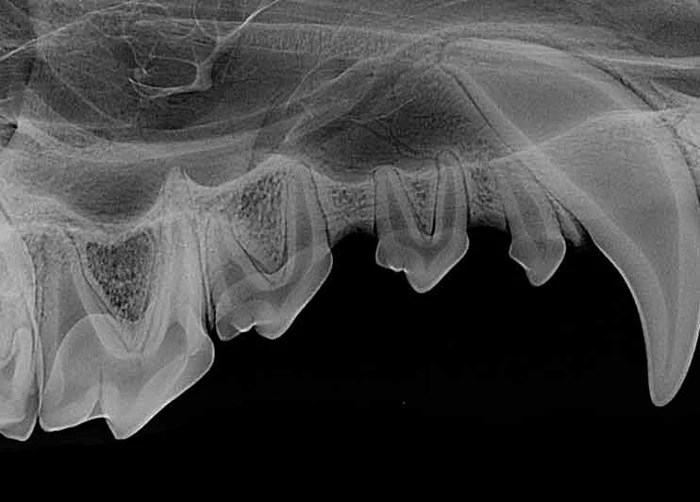
Tooth resorption, commonly seen in cats, is the process in which the dentin erodes and becomes irreparably destroyed, allowing the body to absorb the structures of the tooth. This disease process begins when an odontoblast, a specialized cell responsible for forming dentin, begins to attack healthy teeth. In Type I, the resorbed tooth is replaced with inflammatory and granulation tissue . Type II resorption is replaced with bone-like material. Some clinical symptoms can display as drooling, difficulty chewing/eating, & chattering of the jaw while eating. Again, proper sedation and radiographs are necessary to distinguish tooth resorption from other dental prognoses.
Patient Monitoring
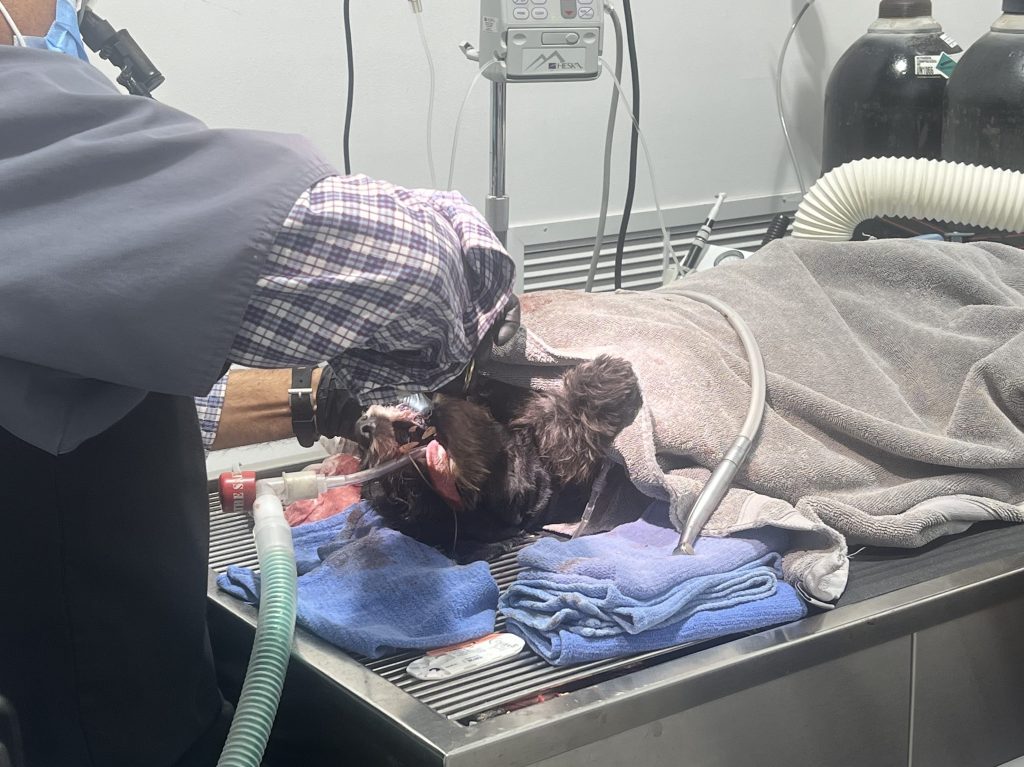

Surgery days are Tuesdays and Thursdays, with most procedures being dentals or soft-tissue surgeries.. As an assistant, I will help Dr. Stredel and the rest of the team with pre-surgical ECGs, bloodwork, patient induction, and care/monitoring during and after the procedure. Patient induction consists of placing a cephalic, forelimb IV catheter and sedating the patient over time. Through the course of about 15-20 minutes while the surgical suite is prepped, the patient will be injected with propofol, the initial sedative, and Convenia, a general antibiotic used to prevent infection during surgery. Once the patient is sedated and all of the equipment is prepped in surgery, the patient will be taken to the surgical suite, induced and maintained on gas isoflourane anesthesia, and undergo dental radiographs. Radiograph images are extremely important in veterinary dentistry, as they give the veterinarian a precise, inside look at the location, origin, and progression of various diseases. Throughout the procedure I will assist Dr. Stredel in monitoring and recording the patient’s blood pressure, heart and respiratory rate, & EtCO2 levels every 5 minutes to ensure the animal is in the proper anesthetic state. This photo above is of a 9 year-old schnauzer who was undergoing multiple tooth extractions due to progressive periodontal disease.
General Patient Care
Outside of dentistry, the Edgewater Pet Clinic operates as a general, private veterinary practice, allowing us to see a wide variety of common companion animal-related issues. When the patient and owner enter the clinic, my first responsibility is to obtain the patient’s weight, check their medical record for any required treatments, and place them into an examination room. Once in a room, I will get the patient’s rectal temperature and speak with the owner on what brings them and their pet into the clinic. Many pets visit needing updated vaccines, bloodwork, heartworm tests, or medication refills. In vaccination cases, I will prepare the necessary vaccines (typically Rabies, DALPP, and Bordetella) and administer each one to the animal, given its required route (except for Rabies, as it is the only vaccine required to be administered by a licensed veterinarian, per Florida state law).
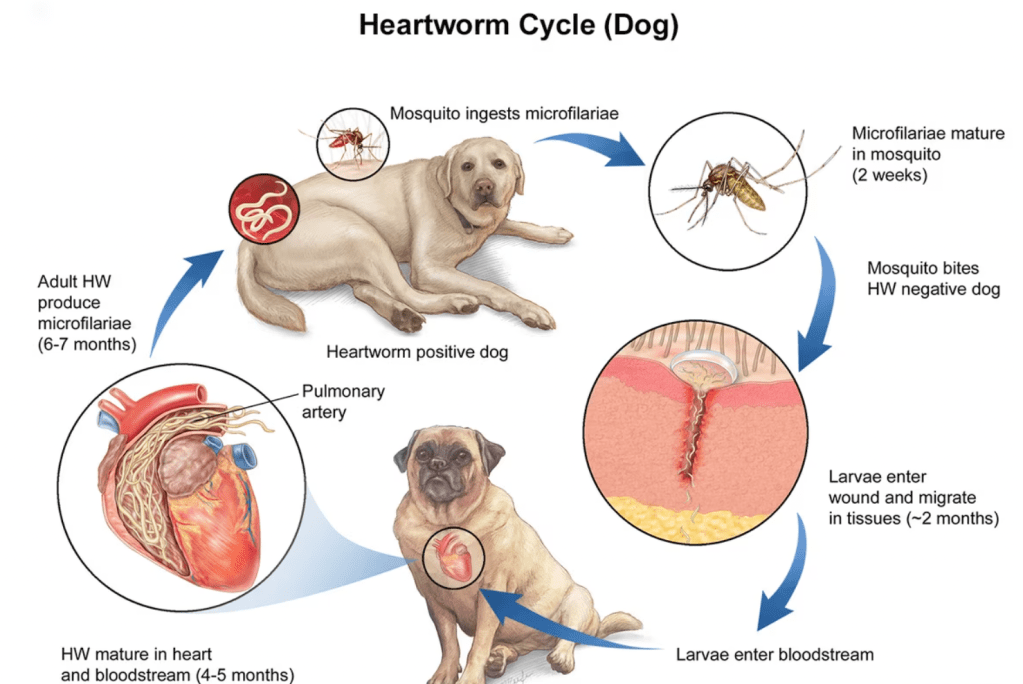
Heartworm – a parasite that is easily transmitted through the bite of mosquitoes which are everywhere in South FL, so it is extremely important for owners to ensure their pet is consistently taking a heartworm prevention medication and to have them undergo an annual heartworm test. Many pets come in needing a updated heartworm test result because in order for them to receive a prescription for refilled heartworm medication or to travel, they are required to have received a negative heartworm test result within the past year. To perform a heartworm test, a small drop of the animal’s blood is obtained by the veterinary assistant and placed into the HW snap test and analyzed. To draw the animals blood I will use a 1 mL syringe and most typically one of the animal’s forelimb cephalic veins as the draw location. Once obtained, just a drop of blood is placed into the snap test along with two drops of conjugate buffer and analyzed using the Vetscan Vue to confirm the test results. The Vetscan Vue is a rapid blood scanner used to provide various veterinary blood-related test results.
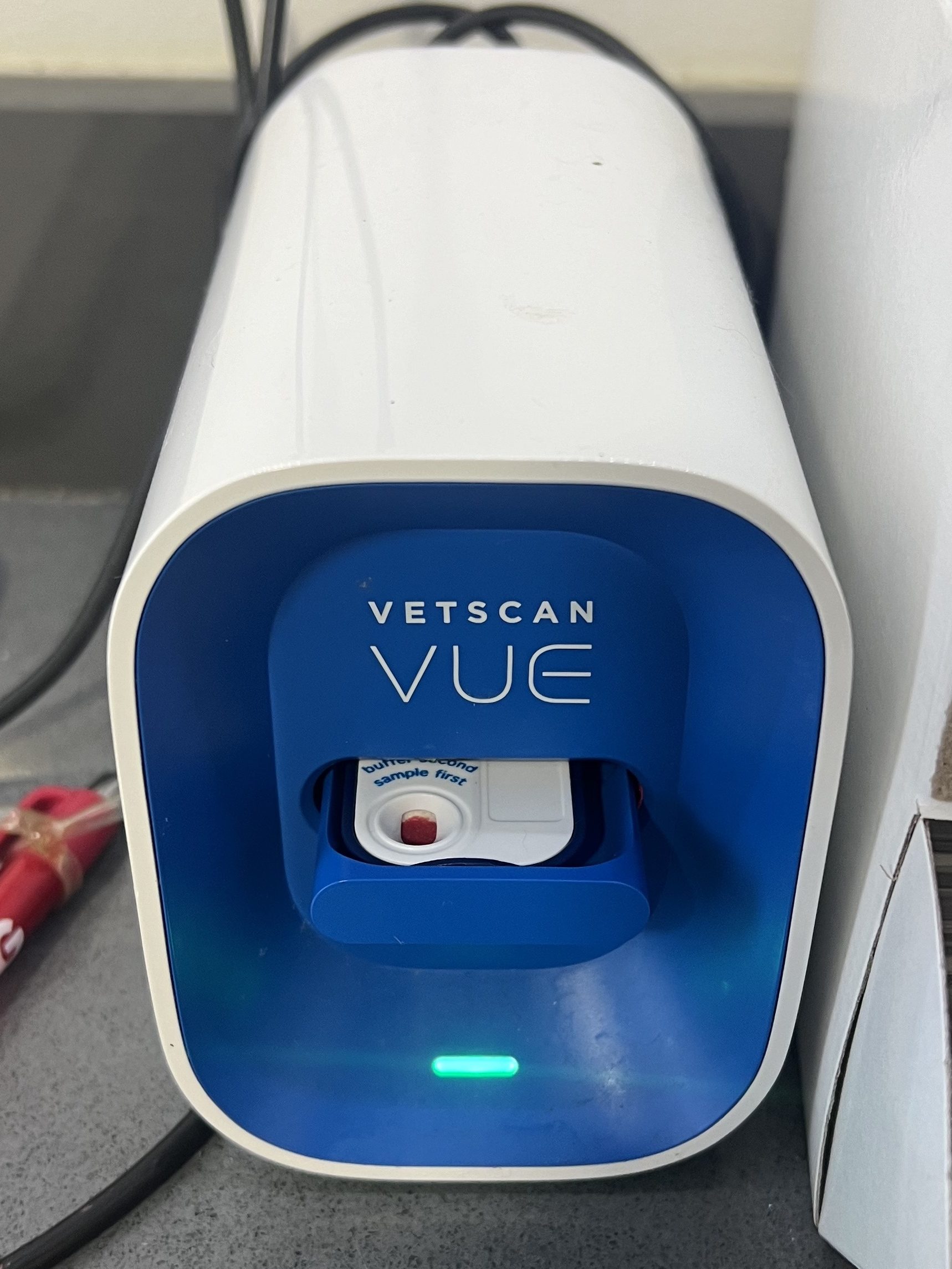
In some cases, we also use the VetScan Vue to perform pancreatitis test analyses. The blood from the patient is drawn in the same way as it is for a heartworm test, and is delicately placed into the snap test to be analyzed as pictured above.
Mosquito Bite Hypersensitivity
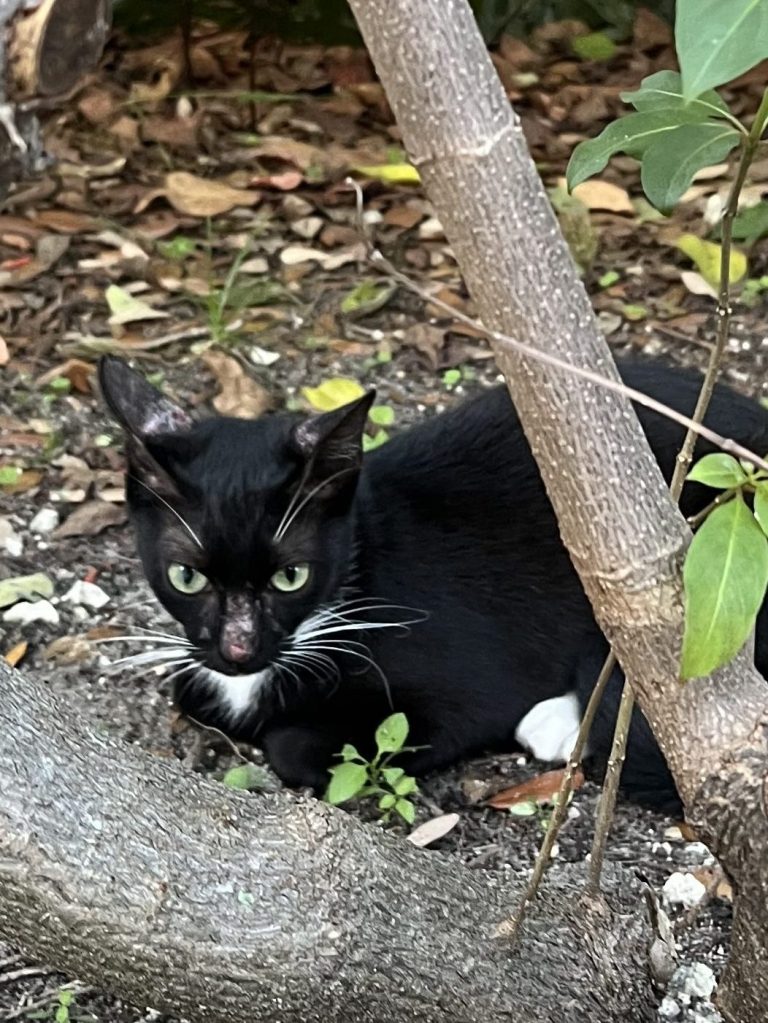
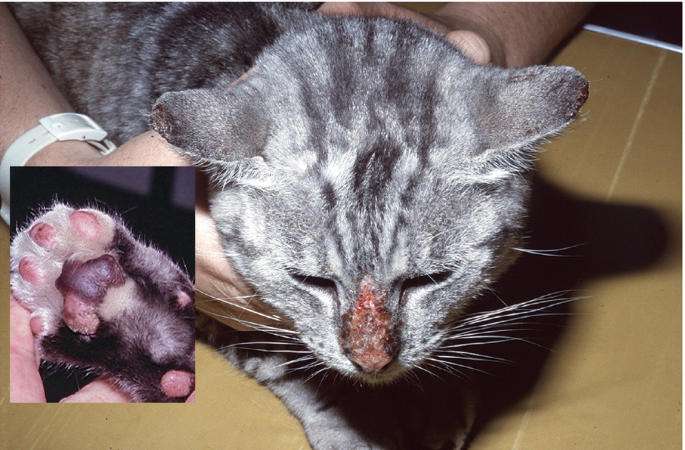
Mosquito bites can also bring along a hyper-reactive immune response in some animals, especially during the spring and summer months. There is no species specificity to this reaction, but it is most frequently observed amongst indoor/outdoor felines. Mosquito bite hypersensitivity is characterized by an overreactive immune response to a mosquito’s saliva present in its bite. This reaction results in the formation of open, crusted lesions in areas of the animal that have less hair, such as the pinna, bridge of the nose, or around the mouth.
Unfortunately with cats, unlike with fleas & ticks, there are not many mosquito repellents that prevent the attachment of mosquitoes and that are non-toxic. Many insecticides that are used in canines and equids contain permethrin, which in high doses can be lethal to felines. Therefore, for cats who present mosquito bite hypersensitivity, it is recommended to sparingly treat them with a select few natural, essential-oil-based repellents and to keep the cats housed indoors. To reduce the inflammatory skin response, the cat can be given a corticosteroid injection, which controls the inflammation and temporarily resolves the painful lesions.

The Schirmer Test & Staining
To test for ocular disorders in animals, several tear and stain tests are available. The Schirmer Test is commonly used to measure tear production of the lacrimal and third eyelid glands by using a small strip of standardized fiber paper. Measuring the amount of tear production in the eye can be useful in determining the presence of keratoconjunctivitis sicca (KCS), also known as dry eye disease. The Schrimer Test can be used by itself or in conjunction with fluorescent eye staining to detect the presence of corneal ulcers or abrasions.

If performing both of these ocular exams, the tear tests should always be performed first to avoid any possible alterations to the animal’s tear production from the Fluoroscein. To perform the Schirmer Tear test, first begin by hooking the bent end of the small paper strip and placing it in the lower conjunctival sac between the lower eyelid and the eyeball. Gently close the eye and without firmly pressing the eye shut, allow the strip to absorb the tear for 60 seconds. When complete, remove the strip and immediately measure the tear length production based on the measurement indicators present.
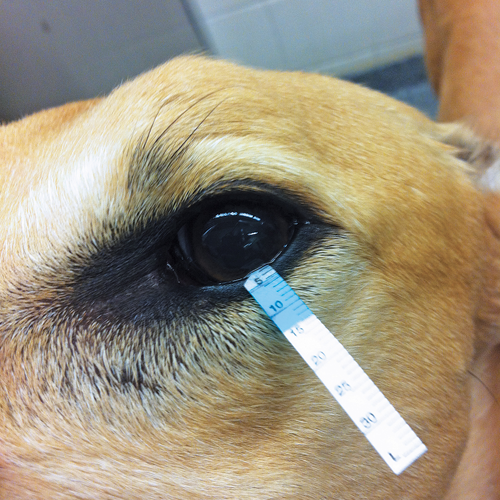
Tear production wetness results between 0-5 mm are consistent with extremely dry eye, 5-10 mm is moderately dry, and 10-15 mm is normal tear production wetness. In addition to KCS, these results can be useful in detecting the healing progression of corneal ulcers, and the presence of conjunctivitis or drug-induced tear suppression, etc.
Fluorescence is specifically used to detect the presence of corneal ulcers or abrasions, nasolacrimal duct function, etc. To perform the Fluorescein test, one of the I-GLO Fluorescein Sodium Ophthalmic Strips is needed. To prepare the test, I will grab a sterile 3 mL syringe, remove the plunger, and place the stain head of the Fluorescein strip into the syringe. Then I will add about 1 mL of either sterile flush or proparacaine to the syringe, replace the plunger, and shake the mixture.

To place the stain in the patient’s eye, tetracaine drops can first be used to act as a local anesthetic and for better visualization. First, gently place a drop of tetracaine, then carefully pull back the eyelid to place a drop of Fluoroscein, and then finally add a drop of flush. The results are determined by determining the presence of green fluorescence through a blue light. If a green formation is present, the veterinarian will assess it’s size, shape, and intensity to detail the ulcer.
PetStop
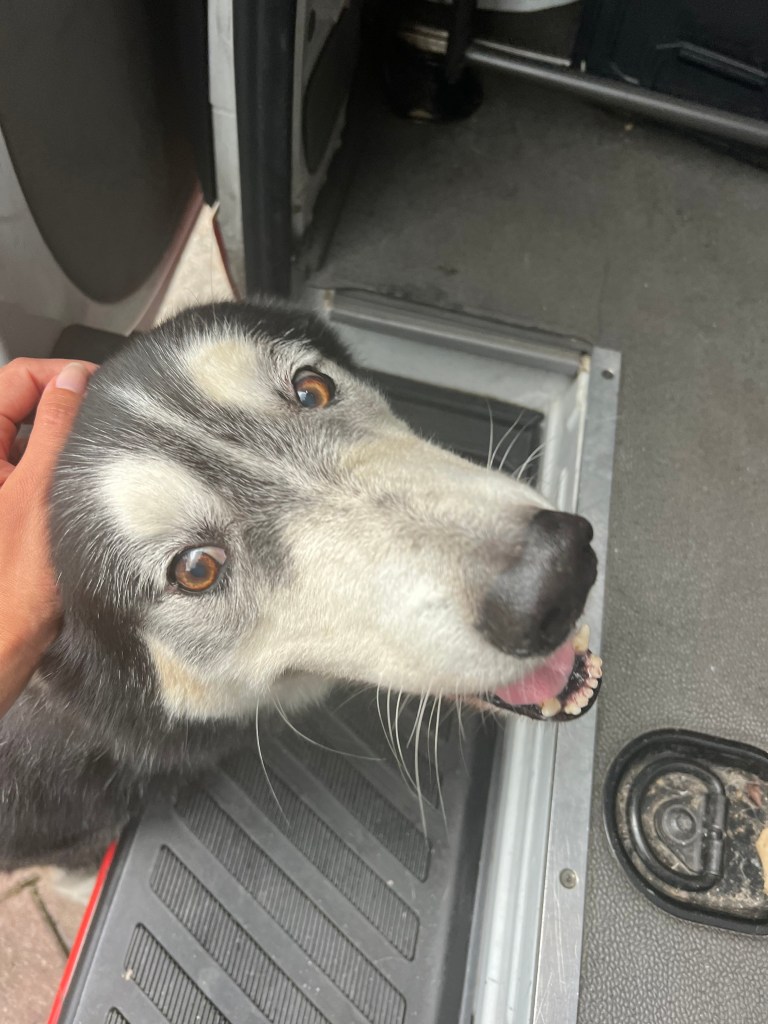
I work as a vet assistant/customer SVC coordinator at the PetStop Clinic, a mobile pet wellness clinic that travels to homes and other areas around Miami. We offer basic veterinary services such as vaccinations, wellness exams, heartworm testing, deworming, etc.
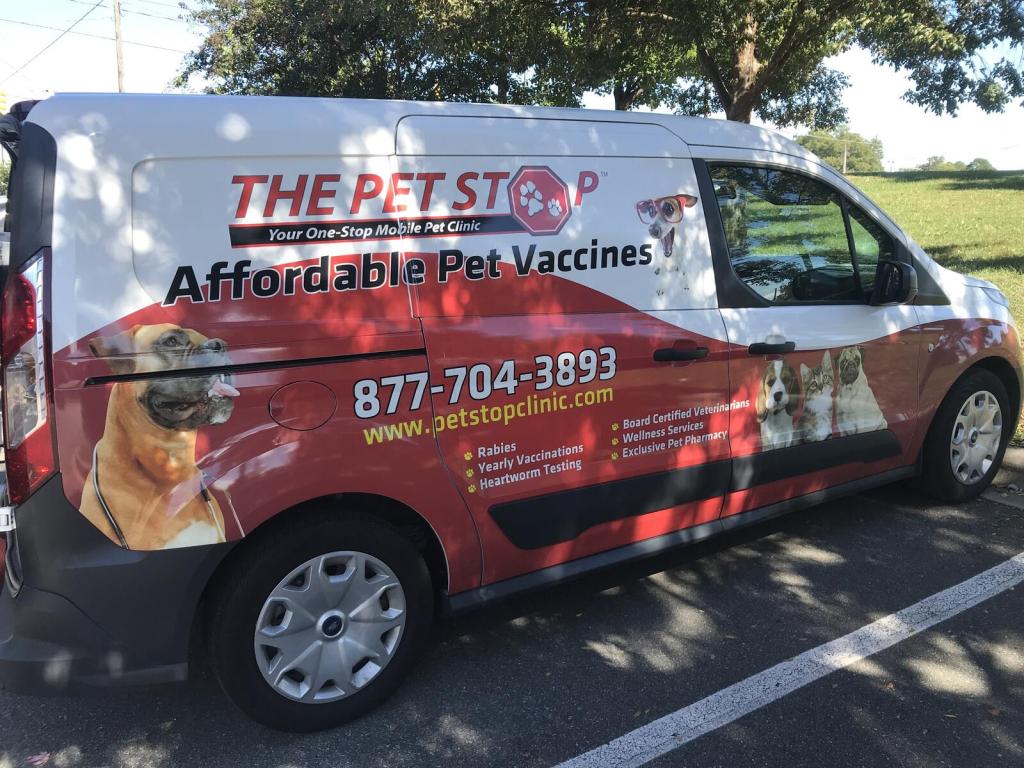
Miami-Dade County, Broward County, Palm Beach County
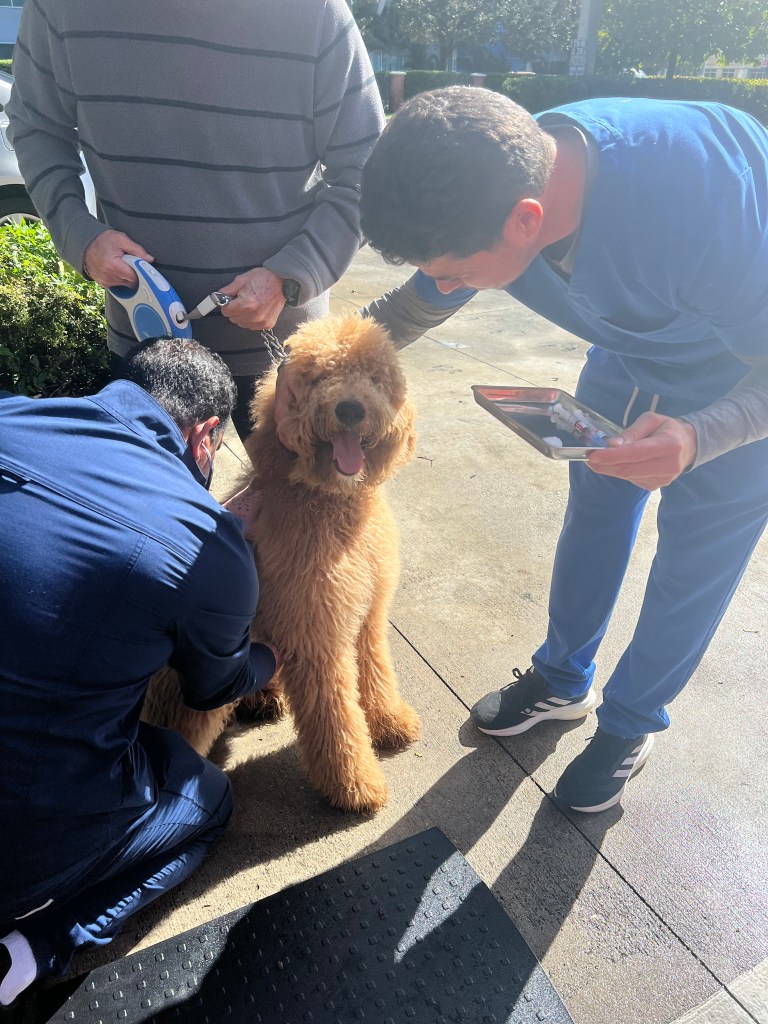
Vaccines + Services We Offer:
DdaojpfjrewtoewjtopewjtpwjtpojtpeDa_ FD
- DA2PP
- Bordetella
- Rabies
- Leptospirosis
- Influenza
- FeLV
- Heartworm Tests
- FIV/FeLV Combo Tests
- Pyrantel Pamoate (Dewormer)
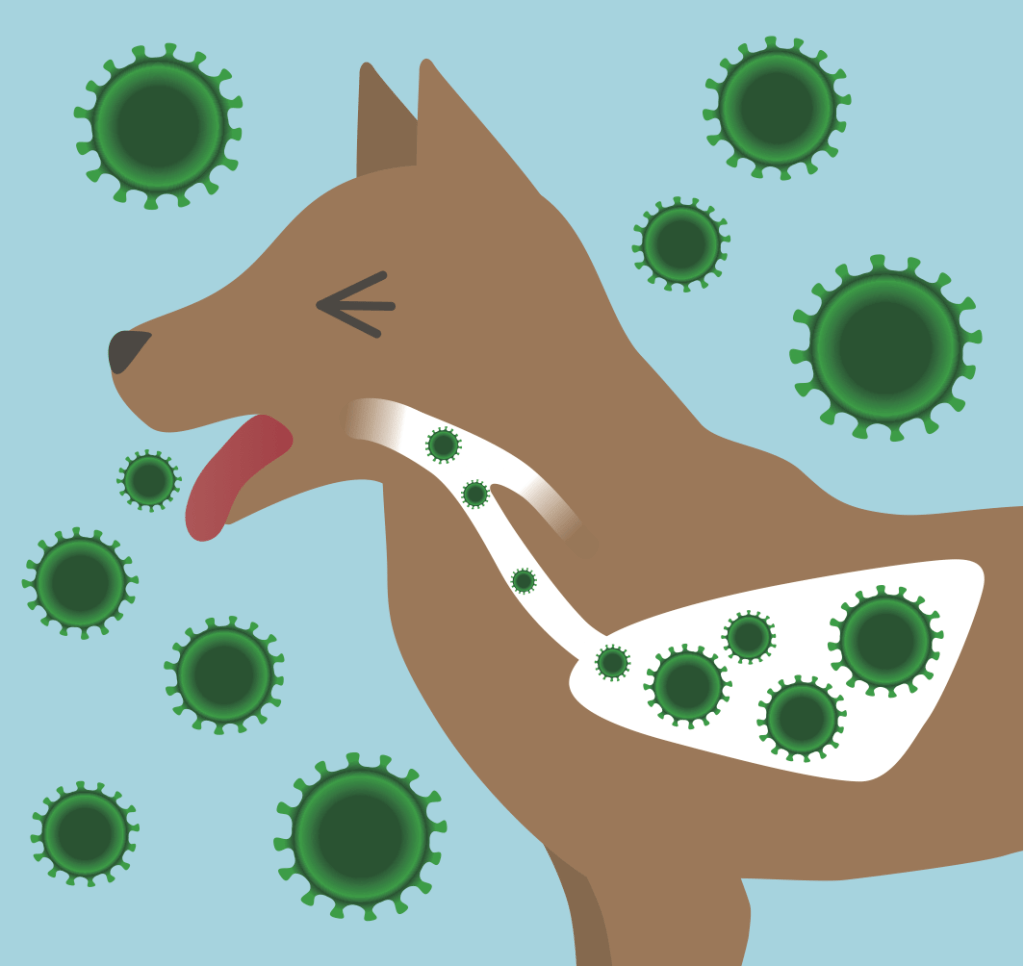
Canine Infectious Respiratory Disease Complex
The canine infectious respiratory disease complex, more commonly known as kennel cough, is one of the most prominent, highly infectious illnesses affecting dogs of all ages and breeds. It is referred to as a disease complex because kennel cough is not simply caused by a singular virus, but in fact at least five different pathogens. Therefore, at our PetStop clinic we provide the core DA2PP vaccine and bordetella which aim to prevent kennel cough infection.
DA2PP
DA2PP, also known as 5 in 1, incorporates 4 different pathogens into the vaccination complex including:
- Distemper Virus – Distemper affects a canine’s central nervous system, respiratory system, and gastrointestinal system. Distemper is spread through aerosol droplets and can lead to symptoms of vomiting, diarrhea, coughing, and in some cases seizures
- Adenovirus Type I & II – Adenovirus Type I can cause canine hepatitis which affects the liver and leads to symptoms of lethargy, jaundice, lethargy, and a painful abdomen. Type II adenovirus on the other hand is a respiratory disease and can lead to coughing, sore throat, and nasal discharge
- Parvovirus – Parvo is an extremely common virus among canines, especially puppies. It primarily affects the digestive system causing symptoms of diarrhea, vomiting, and dehydration. This illness can have serious consequences and is spread through feces, so it is crucial to get your pet vaccinated if they are going outside/dog parks.
- Parainfluenza – similar to influenza, parainfluenza is a common respiratory virus that is spread through aerosol droplets and gives rise to symptoms such as coughing, nasal discharge, and fever
*This is the vaccine that we provide at our clinic, but there are different variations of it. Sometimes it may also include leptospirosis, which would be DALPP, or DHPP, which stands for the hepatitis.
Bordetella Bronchiseptica
Bordetella is also a virus responsible for canine kennel cough, it is an upper respiratory infection that results in coughing, discharge, and fever. This vaccine is typically given intranasally, but in breeds of larger size or with a more aggressive dog it should be given subcutaneously.
Rabies + Leptospirosis
Both rabies and leptospirosis are important viruses to vaccinate against due to their illness severity and ability to infect humans. Rabies is mostly carried via raccoons, bats, dogs, and skunks. It is spread through the bite of a rabid animal and can be prevented via vaccination for up to three years. Leptospirosis is a bacteria that is commonly spread through rodents and affects systems such as the kidney and liver which can ultimately lead to organ failure
Parasites
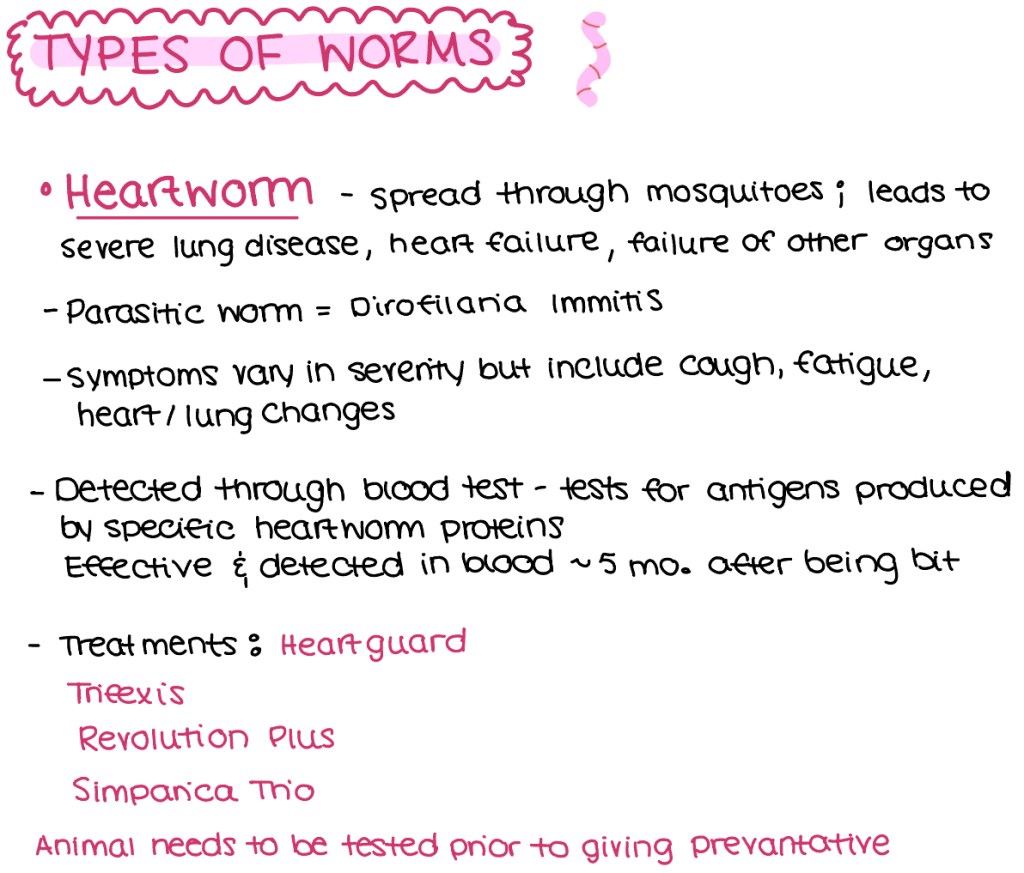
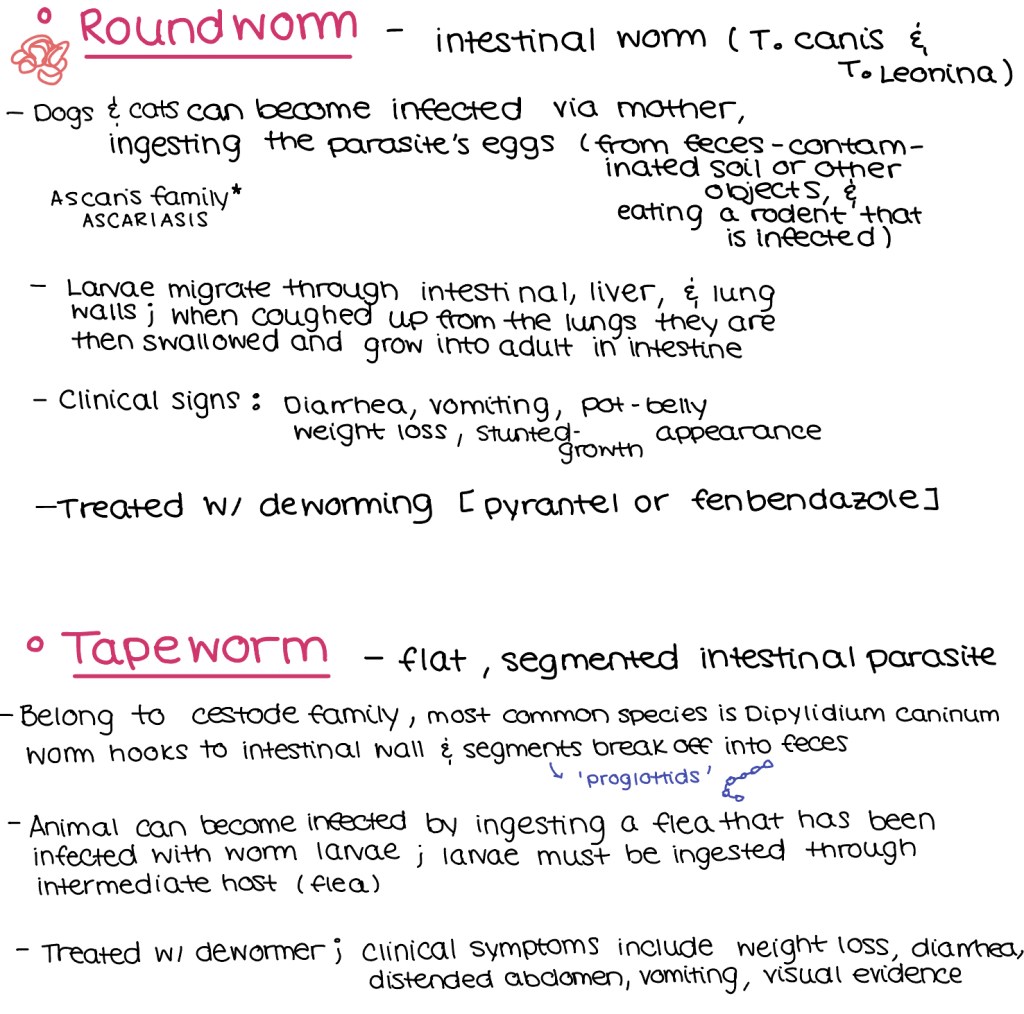
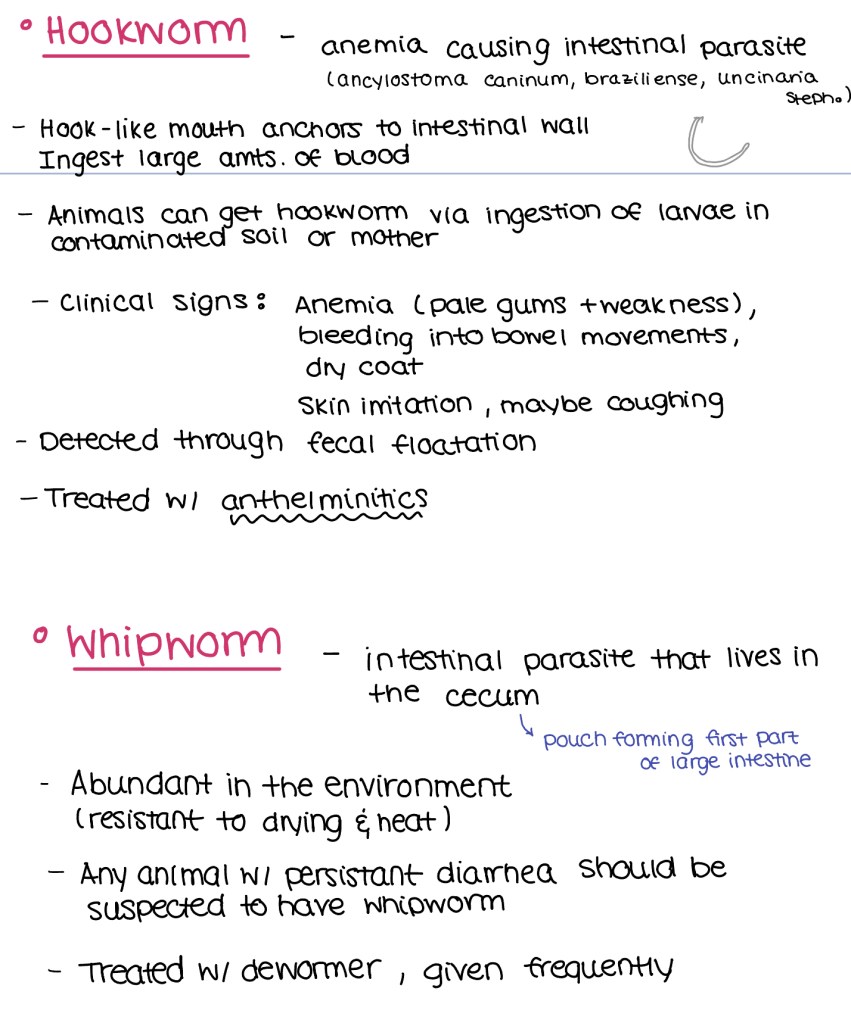
Flea, Tick, & parasite Preventions
The Darbster Foundation
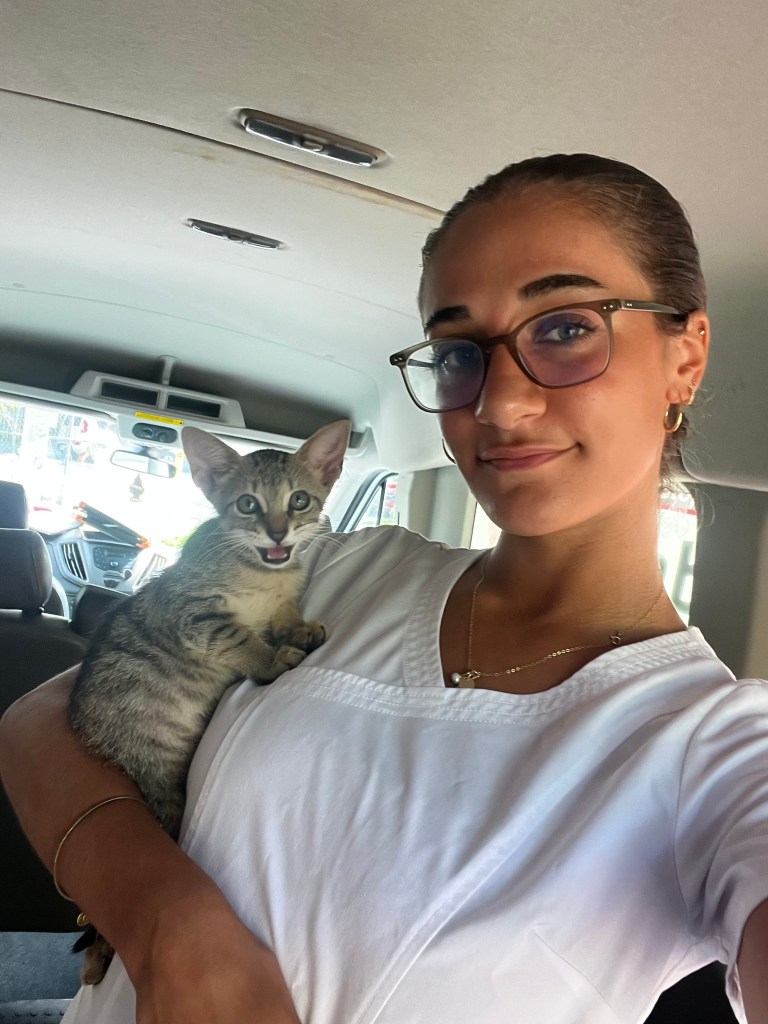
For a few months, I worked as a clinical assistant with the Darbster Foundation, specifically at their high-volume, high-quality spay and neuter clinic for foster kittens in North Miami.
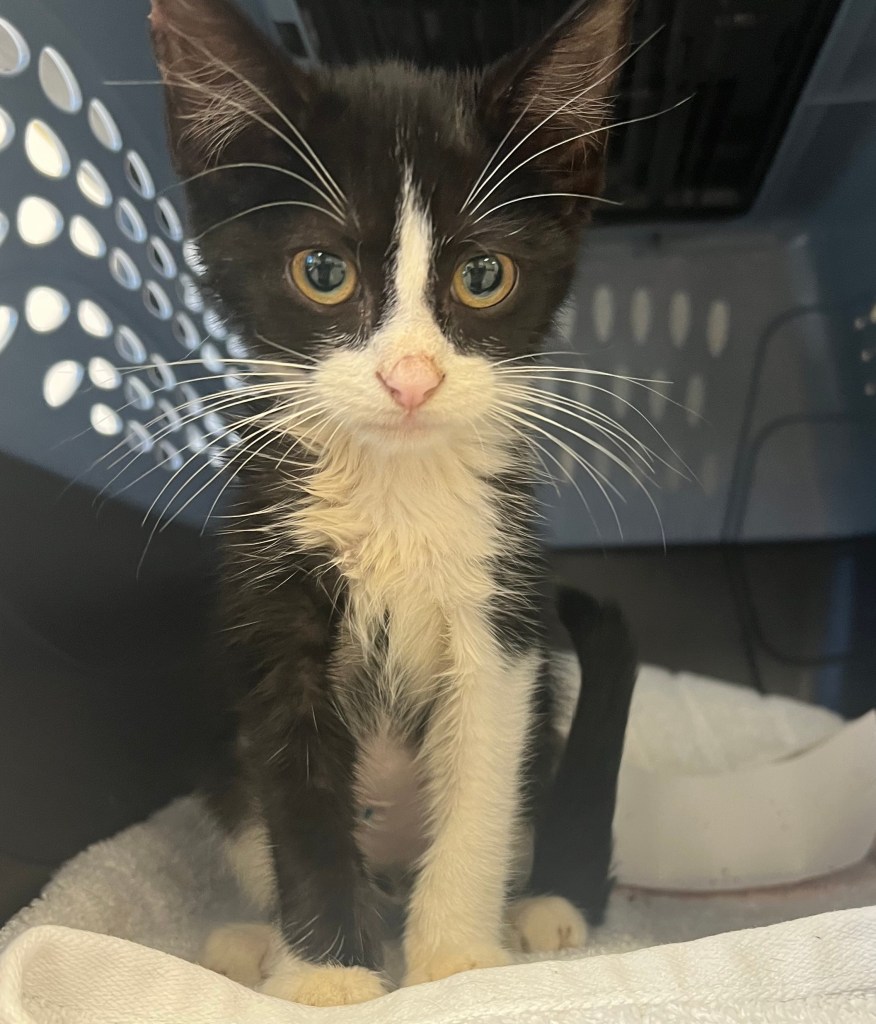
Darbster Kitty is an amazing, widespread rescue foundation, based in Chichester, New Hampshire. With a stray cat population exceeding around 300,000 in Miami-Dade County, Darbster has expanded its services to South Florida. Their mobile clinic is where they perform spays and neuter services on stray cats and dogs to then be transported to New Hampshire and put up for adoption. Many foster care coordinators, foster parents, and trap, neuter, and release workers all come together to make these services possible for the animals here in Miami.
Pre-meds & Induction
During my time with the Darbster Foundation, I only assisted with the feline surgical procedures. Since most of these animals are young, it is important to keep them as stress-free and relaxed as possible. Therefore, prior to surgery all cats are given a dose of burtophanol and either a rabies and/or FVRCP vaccine depending on their record. The FVRCP vaccine protects against Feline Rhinotracheitis, Calicivirus, and Panleukopenia which are all widespread, easily transmissible diseases specific to cats. Butorphanol is a partial opitate agonist/antangonist used as a pre-anesthetic, analgesic, or antiemetic medication.
Once in the mobile operating suite, the animals were further induced with an intramuscular mixture of acepromazine and ketamine.
The Importance of Spays & Neuters in Shelter Medicine
For shelter animals there are MANY important reasons to perform sterilization surgery. HQHVSN is extremely critical in slowing and maintaining the rapid population growth of animals in areas that are experiencing an overflow, like Miami-Dade County. Trap, neuter, and release programs work to collect homeless animals, have them undergo sterilization surgery, and then place them back to where they were found. This prevents stray animals from being able to repopulate, and overall makes them more sociable and safer around the public (especially because they are vaccinated when undergoing castration).
Many health complications related to hormones can also arise in animals if they are not sterilized. Conditions such as pyometra, transmissible venereal tumors, and types of reproductive cancer are more prevalent in intact animals and in some cases can even be spread during breeding. Spaying and neutering limit these risks and allow animals without consistent vet care to live longer, healthier lives.
In general practice, I believe that sterilization should be considered on an individual basis for each patient. When an owner is involved, the owner’s intentions with the animal must be considered, such as whether or not a dog/cat wants to be used to breed. It is also important to consider the health of the animal and the impact that this surgery or estrus may have on its quality of life.
 Tailoring Vet Med